
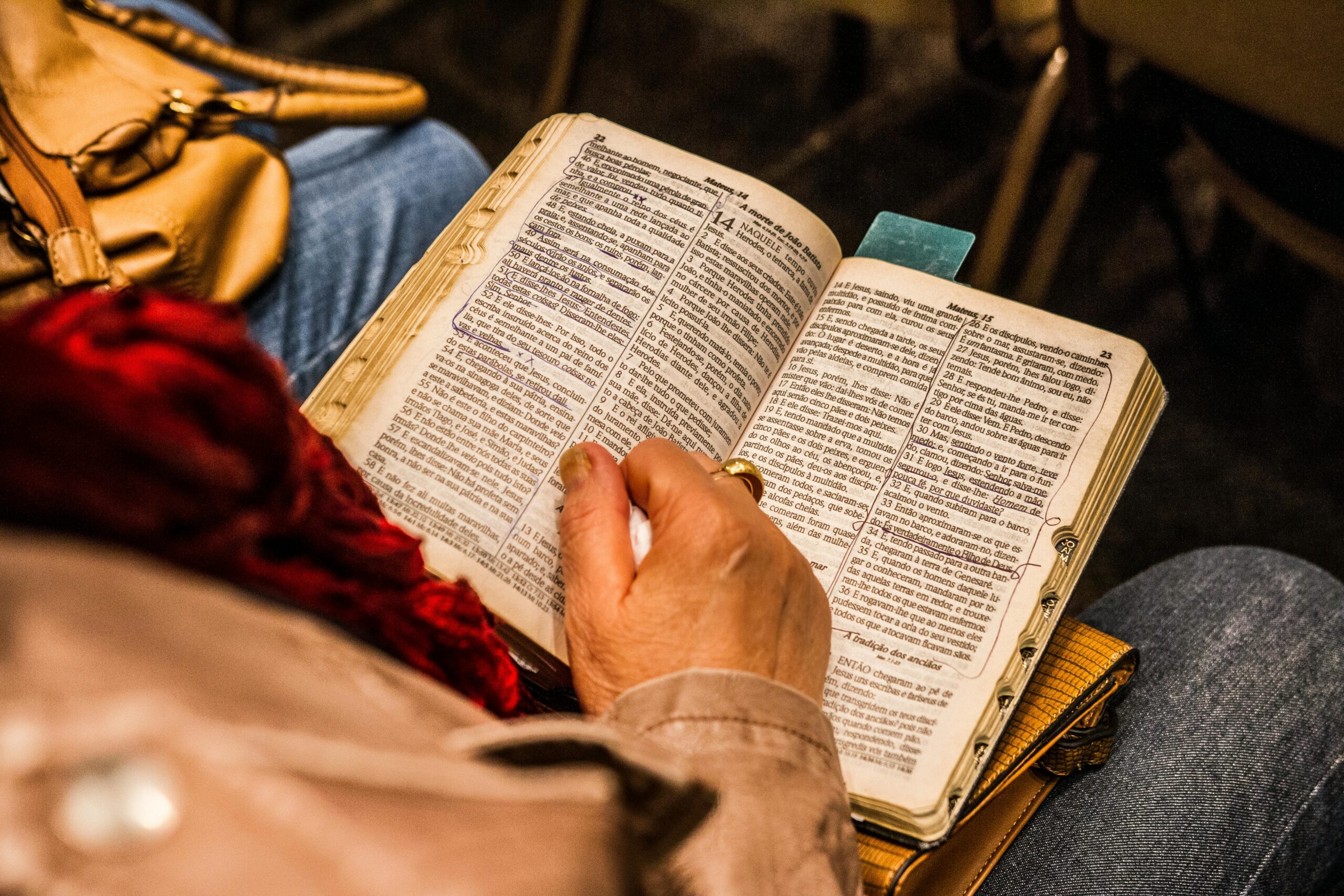
“Is the Bible true?”
It’s a question that has sparked debates for centuries.
For some, the Bible is the cornerstone of faith and life.
For others, it’s a historical text that invites skepticism.
So, what’s the truth? Is the Bible historically accurate? Does it hold spiritual and moral truths that stand the test of time?
Let’s explore the evidence—from archaeology to personal impact—and find out!
What Does It Mean for the Bible to Be True?
When we ask if the Bible is true, we’re asking about more than just its stories.
Truth in the context of the Bible can mean:
- Historical accuracy: Are the events and places described real?
- Spiritual truth: Does it align with deeper questions about life, spirituality, and purpose?
- Moral guidance: Are its teachings relevant and reliable today?
If the Bible is true in all these ways, its message holds profound implications for our lives.
Let’s start by looking at its historical foundation.
Is the Bible Historically Accurate?
Archaeological Evidence
Archaeology has unearthed a wealth of evidence that supports the Bible’s historical claims.
Here are just a few examples:
- The Dead Sea Scrolls: Discovered between 1947 and 1956, these ancient manuscripts confirmed that the Old Testament has remained remarkably consistent over thousands of years.
- Jericho’s Walls: Excavations revealed collapsed walls that align with the biblical account of the city’s fall in the book of Joshua.
- The Tel Dan Stele: This stone inscription mentions the “House of David,” confirming the historical existence of King David, a central biblical figure.
These discoveries don’t “prove” every story in the Bible, but they lend credibility to its historical reliability.
What Historians Say
Beyond artifacts, historical writings from non-biblical sources also back up key biblical accounts.
For instance:
- Josephus, a Jewish historian, and Tacitus, a Roman historian, wrote about Jesus’s crucifixion and the rise of Christianity.
- Other ancient sources mention figures and events found in the Bible, showing that its stories weren’t created in isolation.
While some details remain debated, the Bible’s historical accuracy holds up under scrutiny.
What About Prophecies?
Prophecies are one of the Bible’s most unique features.
These predictions about future events were written long before they happened—and many were fulfilled in remarkable ways.
Examples of Fulfilled Prophecies in the Bible
- The Birth of Jesus: Micah 5:2 predicted the Messiah would be born in Bethlehem, centuries before it happened.
- The Crucifixion: Psalm 22 and Isaiah 53 describe details of Jesus’s suffering and death, including being pierced and mocked—written long before crucifixion was even a common practice.
- The Fall of Babylon: Isaiah 13 and Jeremiah 51 predicted the city’s destruction, which historians confirm occurred as described.
Critics sometimes claim these prophecies are vague or written after the events.
However, evidence like the Dead Sea Scrolls proves that many prophecies were documented well before their fulfillment.
Does the Bible Align with Science?
The Bible isn’t a science textbook, but it touches on observations that align with modern understanding.
Scientific Insights
- Health and Hygiene: Leviticus describes isolating the sick and other sanitation practices long before the discovery of germs.
- The Earth’s Suspension: Job 26:7 describes the Earth as “hanging on nothing,” an idea that fits with what we know about space.
These examples show that the Bible contains insights far ahead of its time.
How the Bible Changes Lives
One of the Bible’s strongest arguments for its truth is the way it transforms people.
Time and again, individuals share how its teachings helped them overcome addiction, restore relationships, or find purpose.
Impact on Society
The Bible’s influence isn’t just personal.
It has inspired movements that changed the world:
- Hospitals and schools started by missionaries and Christian organizations.
- Social reforms, like the abolition of slavery, rooted in biblical principles.
- Art, music, and literature shaped by its timeless stories and themes.
Even skeptics can’t ignore the Bible’s enduring impact.
Addressing Common Criticisms
Critics often point to supposed contradictions or inaccuracies in the Bible.
For example:
- Gospel Differences: The four Gospels sometimes describe events differently. But these variations reflect the perspectives of different authors, not contradictions.
- The Exodus: Some skeptics question the lack of archaeological evidence for this event. However, many historians argue that the absence of evidence doesn’t mean it didn’t happen—it might simply be undiscovered.
Understanding the Bible’s historical and cultural context often resolves these concerns.
Why Does It Matter?
If the Bible is true, it’s more than just a book.
It’s a guide for life, offering wisdom on how to live, treat others, and find purpose.
It challenges us to wrestle with big questions like:
- Why are we here?
- What’s the meaning of life?
- How do we navigate pain and suffering?
- Is God real?
- Is the Biblical God the real God?
The Bible invites exploration, not blind faith.
And that’s what makes it so compelling.
Final Thoughts
So, is the Bible true?
The evidence suggests it’s worth considering.
From historical accuracy to personal impact, the Bible offers a unique blend of reliability and relevance.
Whether you’re a believer, a skeptic, or somewhere in between, take a closer look.
You might find more than you expected.
FAQs
How do we know the Bible hasn’t been changed over time?
Discoveries like the Dead Sea Scrolls show that biblical texts have been preserved with incredible accuracy for thousands of years.
Is there evidence that disproves the Bible?
While some events lack direct evidence, no discovery has definitively disproven the Bible. Many criticisms are based on misunderstandings or unresolved questions.
How do we know the Bible is true?
The Bible’s truth can be examined through historical accuracy, archaeological evidence, fulfilled prophecies, and its transformative impact on people’s lives. Discoveries like the Dead Sea Scrolls show its texts have been preserved with remarkable consistency over thousands of years.
Is the Bible based on true facts?
Yes, many parts of the Bible are based on historical events and real locations. Archaeological finds, such as the ruins of Jericho and inscriptions referencing King David, align with biblical accounts. While not every story has direct evidence, much of it is grounded in verifiable history.
Is the Bible literally true?
The Bible includes different types of writing—historical accounts, poetry, parables, and prophecy. Some sections are meant to be read literally, while others use symbolism or metaphor. Understanding the context helps determine how each passage should be interpreted.
How accurate is the Bible?
The Bible has been shown to be historically accurate in many ways. Archaeology has confirmed numerous details about ancient cities, customs, and events described in the Bible. Additionally, its internal consistency over thousands of years adds to its credibility.
Is there any real evidence for the Bible?
Yes, there’s substantial evidence supporting the Bible’s reliability:
- Archaeological Evidence: Finds like the Tel Dan Stele and Dead Sea Scrolls.
- Historical Records: Writings from historians like Josephus and Tacitus confirm biblical events.
- Prophecies Fulfilled: Predictions about Jesus’s birth, death, and historical events.
Is there any evidence that God exists?
While God’s existence can’t be proven scientifically, there’s philosophical, historical, and experiential evidence. Arguments like the fine-tuning of the universe, the complexity of life, and personal testimonies all point to a Creator. The Bible itself is often seen as evidence of God’s revelation to humanity, especially through the coming of Jesus Christ.
What has science proven about the Bible?
Science hasn’t disproven the Bible and, in many cases, even aligns with it. For example, the Bible’s hygiene practices, like quarantining the sick (Leviticus), were ahead of their time. While it’s not a science textbook, it contains insights that resonate with modern scientific understanding.
Is heaven real or not?
Belief in heaven is a matter of faith, but the Bible describes heaven as a real place where God resides. Accounts from near-death experiences have added to the discussion, but definitive proof lies beyond human comprehension. This is where faith and examining existing evidence comes into play.
Is there proof of Noah’s ark?
Archaeologists and explorers have searched for evidence of Noah’s ark for centuries. While no definitive proof has been found, geological evidence of large-scale flooding aligns with the biblical account of a global flood.
Can we trust the Bible?
Yes, the Bible has stood the test of time in terms of historical accuracy, consistency, and impact. Its teachings have transformed lives and societies, and its preservation across millennia demonstrates its reliability.