
Names in the Bible were often not just a way to identify someone, but also represented their true identity.
God shows Himself to us in many of the names He goes by in the Bible, and we’re able to describe a piece of who He is.
Let’s check out some of the names of God and what they mean!
34 names of God & their meanings
Abba (Father)
“Abba” is the Aramaic word for “Father.”
It’s a term of warm affection and intimacy, showcasing the respect you feel for a loving Father figure – such as God!
You can find it used in Galatians:
6 Because you are his sons, God sent the Spirit of his Son into our hearts, the Spirit who calls out, “Abba, Father.”
Galatians 4:6, NIV
Adonai (Lord, Master)
“Adonai” is a Hebrew word that means “Lord” or “Master.”
It’s actually the plural form of “Adon,” which is mainly for human lords, while “Adonai” is usually used when referring to God.
The Bible often uses plural names for God to showcase His extreme majesty and goodness.
8 I gave you my solemn oath and entered into a covenant with you, declares the [ADONAI] Sovereign LORD, and you became mine.
Ezekiel 16:8, NIV
Alpha & Omega (The Beginning & The End)
“Alpha” is the first letter of the Greek alphabet, while “Omega” is the last.
God is the Beginning and the End, the One with no origin and no passing.
13 I am the Alpha and the Omega, the First and the Last, the Beginning and the End.
Revelation 22:13, NIV
Attiyq Youm (The Ancient Days)
“Attiyq” is Aramaic for “ancient” while “Youm” means “of days.”
The title refers to how only God can declare what’s to happen far in advance – for example, He knew since the beginning of time that He would create you!
22 Until the Ancient of Days came and pronounced judgment in favor of the holy people of the Most High, and the time came when they possessed the kingdom.
Daniel 7:22, NIV
Christos (The Anointed One)
“Christos” means “anointed” in Greek, and is the name given to Jesus by early Greek-speaking Christians.
It’s similar to “Christ,” which is Jesus’ divine title, and the one we use in English Bibles.
1 This is the genealogy of Jesus the Messiah [CHRISTOS] the son of David, the son of Abraham.
Matthew 1:1, NIV
El Chay (Living God)
“El Chay” is a Hebrew name of God meaning “the Living God.”
It refers to how God is the one true God, the only living God, and the only real God.
Jeremiah describes “El Chay” in our English translations:
36 …the words of the living God, the LORD Almighty, our God.
Jeremiah 23:36, NIV
El Chuwl (The God Who Gave You Birth)
“El Chuwl” is Hebrew for “the God who gave you birth.”
It refers to how God created each one of us with a purpose, and that He will take care of us.
1 But now, this is what the LORD says – he who created you, Jacob, he who formed you, Israel: “Do not fear, for I have redeemed you; I have summoned you by name; you are mine.
2 When you pass through the waters, I will be with you; and when you pass through the rivers, they will not sweep over you. When you walk through the fire, you will not be burned; the flames will not set you ablaze.
3 For I am the LORD your God, the Holy One of Israel, your Savior…
Isaiah 43:1-3, NIV
El Deah (The God of All Knowledge)
“El Deah” is Hebrew for “God of all knowledge/wisdom.”
It refers to how God is all-knowing, omniscient, and eternal:
3 Do not keep talking so proudly or let your mouth speak such arrogance, for the LORD is a God who knows, and by Him deeds are weighed.
1 Samual 2:3, NIV
El Elyon (The God Most High)
“El Elyon” is a Hebrew name meaning “the Lord of Heaven and Earth” or “the Most High.”
God, or “El Elyon,” is above all things – that includes you, me, the government, the universe, and everything else you can imagine!
You can see this reference in Genesis:
18 Then Melchizedek king of Salem brought out bread and wine. He was priest of God Most High.
Genesis 14:18, NIV
El Gibhor (The Mighty God)
“El Gibhor” translates to “Might God” in Hebrew, and is the name of God we see in Isaiah 9:
6 For to us a child is born, to us a son is given, and the government will be on his shoulders. And he will be called Wonderful Counselor, Mighty God, Everlasting Father, Prince of Peace.
Isaiah 9:6, NIV
The coolest thing about that verse is that it was written 700 years before Jesus Christ was born to save us – talk about an amazing prophecy!
El Olam (The Everlasting God)
“El Olam” is Hebrew for “the Everlasting God.”
Psalm 90 talks about the everlasting nature of God, saying:
2 Before the mountains were born or you brought forth the whole world, from everlasting to everlasting you are God.
Psalm 90:2, NIV
El Roi (God Of Seeing)
“El Roi” is a Hebrew term given to God by Hagar meaning (the God who sees).
Hagar was alone and desperate in the wilderness in Genesis 16 when she met the Angel of the Lord, and she realized that God is living and all-seeing – He saw her and helped her in her toughest times!
13 She gave this name to the LORD who spoke to her: “You are the God who sees me,” for she said, “I have now seen the One who sees me.”
Genesis 16:13, NIV
El Shaddai (God Almighty)
Hebrew for “God Almighty” or “The Mighty One of Jacob,” El Shaddai refers to God’s power over everything and anything:
24 But his bow remained steady, his strong arms stayed limber, because of the hand of the Mighty One of Jacob, because of the Shepherd, the Rock of Israel
Genesis 49:24, NIV
Elohim (The Creator)
“Elohim” is the grammatically plural form for “gods” and “deities” in Hebrew, being the plural form of “Eloah”.
This could refer to the amazing power and majesty that is multiple that of any other, or possibly to the Holy Trinity.
7 I will establish my covenant as an everlasting covenant between me and you and your descendants after you for the generations to come, to be your God and the God of your descendants after you.
Genesis 17:7, NIV
Immanuel (God With Us)
Also spelled Emmanuel, “Immanuel” means “God is with us” or “God with us” in Hebrew.
It appears in Isaiah 7 as a sign that God will protect the House of David:
7 Therefore the Lord himself will give you a sign: The virgin will conceive and give birth to a son, and will call him Immanuel.
Isaiah 7:14, NIV
Jehova/Yahweh (LORD)
This is the proper name for God, and is spelled in all caps to distinguish it from “Adonai.”
Jehova, or Yahweh, means LORD.
This name is revealed to us when Moses asked God who he should tell Pharaoh that sent him, and:
14 God said to Moses, “I AM WHO I AM. This is what you are to say to the Israelites: ‘I AM has sent me to you.'”
Exodus 3:14, NIV
Jehova-Bore (The Lord Creator)
“Jehova-Bore” means “The Lord Creator.”
God created all things, including you and me. Without Him, there is nothing. The first verse of the Bible immediately establishes this:
1 In the beginning God created the heavens and the earth.
Genesis 1:1, NIV
Jehova-Jireh (The Lord Will Provide)
“Jehova-Jireh” translates to “the Lord will provide” in Hebrew, and comes from when God sent Abraham to sacrifice his son, Isaac.
However, at the last moment:
11 But the angel of the LORD called out to him from heaven, “Abraham! Abraham!” “Here I am,” he replied.
12 “Do not lay a hand on the boy,” he said. “Do not do anything to him. Now I know that you fear God, because you have not withheld from me your son, your only son.”
13 Abraham looked up and there in a thicket he saw a ram caught by its horns. He went over and took the ram and sacrificed it as a burnt offering instead of his son.
14 So Abraham called that place The LORD Will Provide. And to this day it is said, “On the mountain of the LORD it will be provided.”
Genesis 22:11-14, NIV
Jehovah-Mekoddishkem (The Lord Who Makes You Holy)
“Jehovah-Mekoddishkem” is Hebrew for “the Lord who makes you holy” or “the Lord who sets you apart.”
The title is first used in Exodus:
13 Say to the Israelites, “You must observe my Sabbaths. This will be a sign between me and you for the generations to come, so you may know that I am the LORD, who makes you holy.”
Exodus 31:13, NIV
Jehova-M’Kaddesh (The Lord Who Sanctifies You)
Very similar to “Jehovah-Mekoddishkem,” “Jehovah-M’Kaddesh” is Hebrew for “The Lord who sanctifies/makes holy.”
God is the only one who cleanses us, not the law or anyone else:
8 Keep my decrees and follow them. I am the LORD, who makes you holy.
Leviticus 20:8, NIV
Jehovah-Nissi (The Lord Our Banner)
“Jehovah-Nissi” means “the Lord our banner” in Hebrew.
Banners were used as a rallying place back in the Old Testament, and this name was given after the Israelites defeated the Amalekites in Exodus 17, and:
15 Moses built an altar and called it The LORD is my Banner.
Exodus 17:15, NIV
Jehovah-Raah (The Lord My Shepherd)
“Jehovah-Raah” is the Hebrew name for “the Lord my shepherd” or “the Lord my friend.”
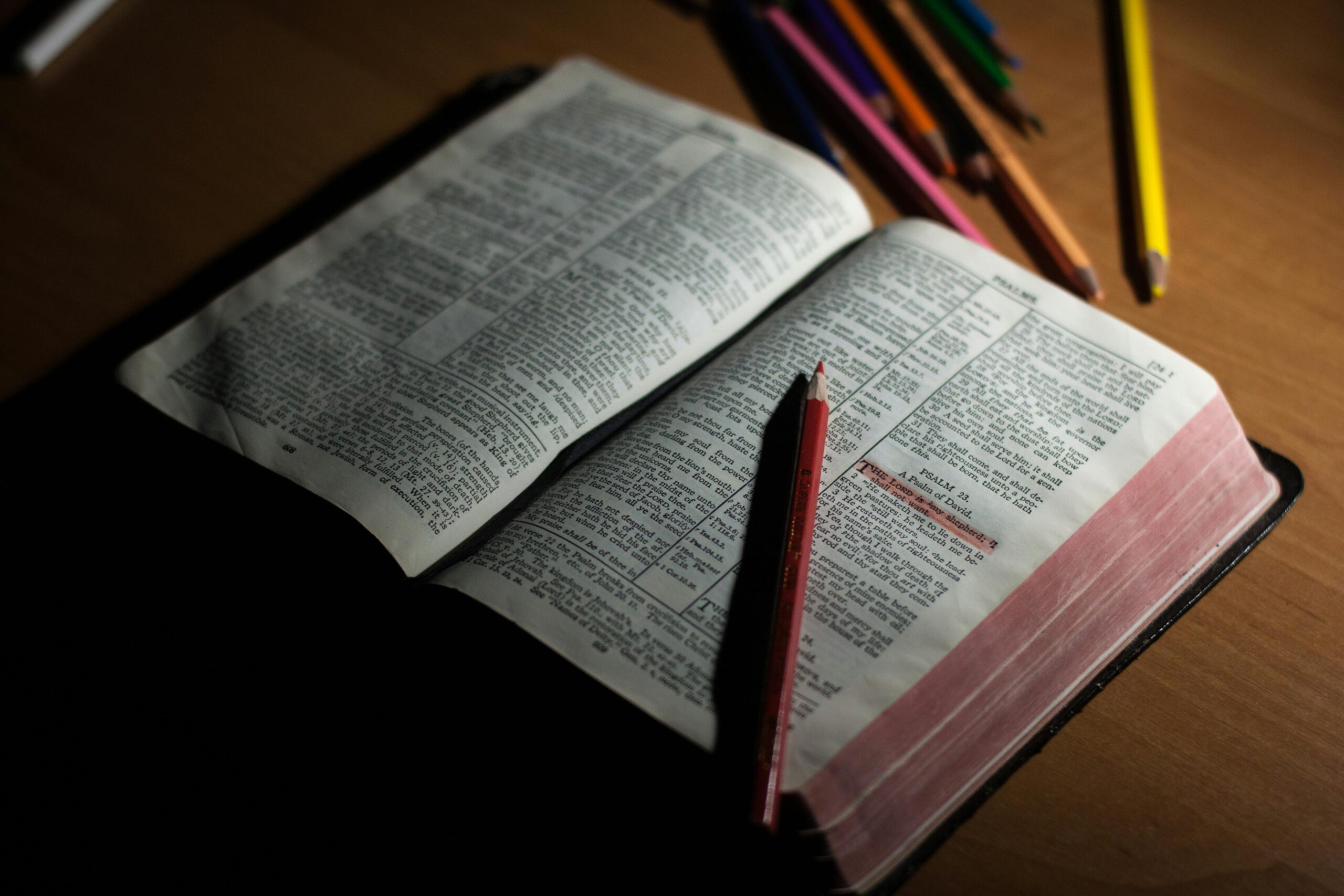
The famous passage, Psalm 23, is the most popular use of this name of God:
1 The Lord is my shepherd, I will not be in need.
Psalm 23:1, NIV
Jehovah-Rapha (The Lord Who Heals)
“Jehovah-Rapha” means “the Lord who heals” in Hebrew:
26 He said, “If you listen carefully to the LORD your God and do what is right in his eyes, if you pay attention to his commands and keep all his decrees, I will not bring on you any of the diseases I brought on the Egyptians, for I am the LORD, who heals you.”
Exodus 15:26, NIV
God is the one who heals us not just physically, but also spiritually, forgiving our sins and granting us eternal life with Him.
Jehovah-Rohi (The Lord Our Shepherd)
Similar to “Jehovah-Raah,” “Jehovah-Rohi” means “the Lord our shepherd, and is again used in Psalm 23 to represent the relationship God has with us – Him the shepherd, us His sheep:
1 {A Psalm of David.} The LORD is my shepherd; I shall not want.
Psalm 23:1, KJV
Jehovah-Sabaoth (The Lord of Armies)
The word “Sabaoth” means “armies” in Hebrew, making this one of the (in my opinion) coolest names God has.
“The Lord of Armies,” or “Jehovah-Sabaoth,” refers to God being the Lord of both angels and men, poor and rich, Jew and Gentile, etc.
Isaiah 1:24 shows the power and majesty behind this name:
24 Therefore the Lord, the LORD Almighty, the Mighty One of Israel, declares: “Ah! I will vent my wrath on my foes and avenge myself on my enemies.”
Isaiah 1:24, NIV
Jehovah-Shalom (The Lord of Peace)
God is almighty and powerful, but He is a peaceful God as shown in the name “Jehovah-Shalom,” which means “the Lord of peace.”
Gideon gave this name in Judges 6:
24 So Gideon built an altar to the LORD there and called it The LORD Is Peace. To this day it stands in Ophrah of the Abiezrites.
Judges 6:24, NIV
Jehovah-Shammah (The Lord Is There)
“Jehovah-Shammah” is Hebrew for “the Lord is there,” which is the name given in reference to the glory of God returning Jerusalem and its temples:
35 The distance all around will be 18,000 cubits. “And the name of the city from that time on will be: the Lord is there.”
Ezekiel 48:35, NIV
Jehovah-Tsidkenu (The Lord Our Righteous)
“Jehovah-Tsidkenu” translates to “the Lord our righteous” in Hebrew, and is similar to “Jehovah-Mekoddishkem” in that it refers to God alone being the One that makes us righteous through His Son Jesus Christ, who died for our sins:
16 In those days Judah will be saved and Jerusalem will live in safety. This is the name by which it will be called: The LORD Our Righteous Savior.
Jeremiah 33:16, NIV
Jehovah-Tsuri (The Lord Our Rock)
“Jehovah-Tsuri” means “the Lord our rock” in the Hebrew language.
Many verses in the Bible refer to God being our rock, which shows that He is strong, permanent, and protective.
Psalm 18 is a wonderful example of this name of God:
2 The LORD is my rock, my fortress and my deliverer; my God is my rock, in whom I take refuge, my shield and the horn of my salvation, my stronghold.
Psalm 18:2, NIV
Jesus (The Lord Is Salvation)
The name “Jesus” stems from a Hebrew word meaning “the Lord is salvation.”
It directly connects Jesus with our salvation, as He was the one who died on the cross for OUR sins and defeated death by rising from it 3 days later.
He is our salvation, and He wants all of us to be close to Him.
21 She will give birth to a son, and you are to give him the name Jesus, because he will save his people from their sins.
Matthew 1:21, NIV
Logos (The Word)
“Logos” is the Hebrew name for “the Word.”
We know that God is the Word:
1 In the beginning was the Word, and the Word was with God, and the Word was God.
John 1:1, NIV
This verse shows that Scripture is God-breathed, and Jesus became the Word in flesh when He came to the world as a human.
Ma’on (Our Dwelling Place)
This beautiful Hebrew word “Ma’on” means “our dwelling place,” which is what Moses called God:
1 A prayer of Moses the man of God. Lord, you have been our dwelling place throughout all generations.
Psalm 90:1, NIV
God is our dwelling place, where we are always at home and welcome.
Messiah (The Anointed One)
Similar to “Christos,” “Messiah” means “the Anointed One,” and refers to Jesus Christ, our Lord and Savior.
41 The first thing Andrew did was to find his brother Simon and tell him, “We have found the Messiah” (that is, the Christ).
John 1:41, NIV
Qanna (Jealous God)
“Qanna” means “jealous,” “envy,” or “zealous.” However, context is important here – “Qanna” is used in reference to a marriage relationship, which is how Israel and God’s relationship is often depicted.
“Jealous” in this sense isn’t the same jealousy that we’re supposed to avoid (as told in the 10 commandments) but refers to how God wants all our praise to Him, not other people or things (like money, famous people, etc.).
5 You shall not bow down to them or worship them; for I, the LORD your God, am a jealous God, punishing the children for the sin of the parents to the third and fourth generation of those who hate me.
Exodus 20:5, NIV
Let us know if you have any other names you found for God in the Bible by sending us a message!
And check out some of our other articles:
FAQs
Names were more than just a way to identify someone back then, but also described their identity. Names were a great way to describe the marvelous personality traits of God.
The most common name for God is, simply, “God” or “Jesus.”
You can call God by different names that are His – think about people who speak different languages. They call Him by different names than you or I, but the important thing is that we call Him by a name that is truly His – like the ones we find in the Bible!