
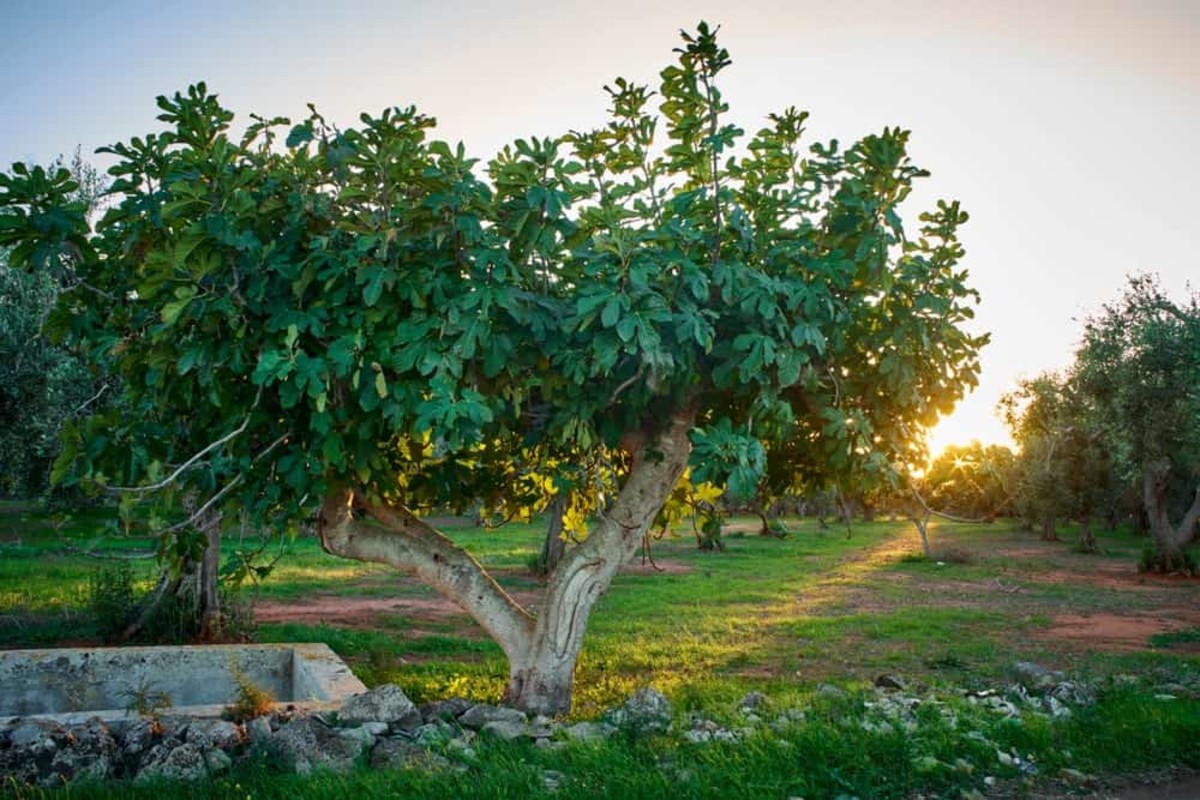
If you’ve ever read the story of Jesus cursing the fig tree in Mark 11:12-14 or Matthew 21:18-22, you might have thought, What just happened?
Jesus walks up to a tree, finds no fruit, and then… curses it.
Seems a little harsh, right?
Especially since the Bible says it wasn’t even the season for figs (Mark 11:12-14, Matthew 21:18-22).
So, was Jesus just hangry? Or was there something deeper going on?
Spoiler alert: There was.
This wasn’t just about a tree.
It was a powerful message about faith, fruitfulness, and the dangers of looking the part without actually living it.
Let’s break it down.
Table of Contents
- The Fig Tree in Context
- Why Did Jesus Curse The Fig Tree
- What Does This Mean For Us
- Final Thoughts
- FAQs
The Fig Tree in Context
1. What’s the Deal With Fig Trees in the Bible?
Fig trees were a big deal in ancient Israel.
They were everywhere—used for food, shade, and even symbolism in scripture.
When a fig tree had leaves, it usually meant fruit was coming (or at least should be there).
2. But Wasn’t the Fig Tree “Out of Season”?
Here’s where it gets interesting.
The tree Jesus approached had leaves, which meant it should have had early figs—small, edible buds that show up before the main harvest.
But this tree had nothing.
It looked healthy, but it wasn’t producing what it was supposed to.
That’s a major red flag in biblical symbolism.
Why Did Jesus Curse It?
1. A Lesson on Spiritual Fruitfulness
Throughout the Bible, fruit represents spiritual health.
Jesus wasn’t mad at a tree—He was using it as a real-life parable.
Just like that fig tree looked alive but was actually barren, many religious people looked good on the outside but had no real faith.
This connects directly to what was happening in Jerusalem.
Jesus had just entered the city (the triumphal entry at the beginning of Mark 11 and Matthew 21), and He was about to confront the religious leaders.
They had all the outward signs of devotion—prayers, sacrifices, the temple—but their hearts were far from God.
Sound familiar?
This isn’t just about ancient Israel.
It’s about us, too.
It’s easy to show up to church, tithe, say the right things, and look the part—while spiritually, we’re running on empty.
2. Judgment Against Hypocrisy
Right after this fig tree moment, Jesus goes into the temple and flips tables (Mark 11:15-19).
That wasn’t random.
It was all connected.
The temple was supposed to be a place of worship, but it had become a marketplace—a place where people exploited faith for profit.
Just like the fig tree, the temple looked impressive, but it wasn’t producing what God intended.
Jesus wasn’t just calling out individuals; He was making a statement about the entire religious system that had lost its way.
Faith That Moves Mountains
The next day, the disciples saw that the fig tree had withered.
Jesus used that moment to talk about faith (Mark 11:20-25).
He wasn’t just showing His power—He was teaching that real faith isn’t just words; it’s action.
Jesus said, “Have faith in God… Truly I tell you, if anyone says to this mountain, ‘Go, throw yourself into the sea,’ and does not doubt in their heart but believes that what they say will happen, it will be done for them.”
This isn’t a genie-in-a-bottle kind of faith.
It’s about trusting God completely—believing He can do the impossible, even when we don’t see the fruit yet.
What Does This Mean for Us?
1. Are You Bearing Fruit?
If Jesus walked up to your life like He did that fig tree, what would He find?
Just leaves?
Or actual fruit?
Spiritual fruit isn’t about doing good things to earn God’s love—it’s the natural result of a real relationship with Him.
(Check out Galatians 5:22-23: love, joy, peace, patience, kindness, etc.)
2. Beware of Empty Religion
God isn’t impressed by people who just look holy.
If your faith is just about appearances—showing up to church, quoting Bible verses, but never actually living it out—then you’re missing the point.
Jesus wants more than that.
3. Faith Over Fear
Jesus didn’t just talk about faith—He showed what it looks like.
If you’re in a season where life feels barren, where nothing seems to be happening, trust that God is still working.
Faith means believing He’s moving, even when you don’t see the fruit yet.
Final Thoughts
Jesus cursing the fig tree wasn’t about anger or frustration.
It was a powerful lesson about faith, fruitfulness, and what happens when we focus more on appearances than a real relationship with God.
So, here’s the challenge: Don’t just look the part.
Live it.
Seek God, trust Him, and bear real, lasting fruit.
Because that’s what a true, thriving faith is all about.
What’s Your Take?
Drop a comment below—what do you think about this story?
Have you ever struggled with looking the part but feeling empty inside?
Let’s talk.
FAQs
Why did Jesus curse the fig tree?
Jesus cursed the fig tree as a symbolic act to demonstrate the consequences of spiritual barrenness. The tree had leaves, which suggested it should have had fruit, but it didn’t. This mirrored the religious leaders of His time, who appeared righteous outwardly but lacked true faith and obedience.
What does Jesus cursing the fig tree represent?
The cursed fig tree represents the judgment against hypocrisy and empty religion. It served as a warning that faith without genuine spiritual fruit is meaningless. It also emphasized the importance of living a faith that is active and fruitful, not just outwardly religious.
Wasn’t it unfair for Jesus to curse the tree if it wasn’t fig season?
Not exactly. The tree should have had early fruit if it had leaves. It was false advertising—just like religious hypocrisy.
Why did Jesus curse the fig tree when it wasn’t in season?
Even though it wasn’t the season for ripe figs, the tree had leaves, which normally meant early edible figs should have been present. The lack of fruit symbolized false advertising—appearing fruitful but actually being barren, much like the religious leaders who claimed to follow God but lacked true faith.
What does the fig tree symbolize in the Bible?
The fig tree often symbolizes Israel, prosperity, and spiritual health. In many passages, a fruitful fig tree represents God’s blessing and favor, while a barren or withered fig tree symbolizes judgment, unfaithfulness, or a lack of true devotion.
What is the moral of the parable of the fig tree?
The moral of the fig tree parable is that God expects genuine faith and spiritual fruitfulness. Just as a fig tree is meant to bear fruit, believers are called to live out their faith in action, not just in appearance. It’s also a call to repentance and readiness for God’s judgment.
Why did Jesus say, “I saw you under the fig tree”?
Jesus said this to Nathanael in John 1:48. It was a personal revelation that showed Jesus’ divine knowledge. Some scholars believe Nathanael was praying or meditating on Scripture under the fig tree, and Jesus’ statement proved that He saw and knew him even before their physical meeting.
What tree was Jesus crucified on?
The Bible doesn’t specify the exact type of tree used for Jesus’ cross. Some traditions suggest it was made of dogwood, cedar, or pine, but historically, Romans used whatever wood was available, often olive or cypress.
What does Jesus identify as the greatest commandment?
In Matthew 22:37-39, Jesus says the greatest commandment is to “Love the Lord your God with all your heart, soul, and mind.” The second greatest is to “Love your neighbor as yourself.” These summarize all of God’s laws into love for God and love for others.
Who did Jesus see under the fig tree?
Jesus saw Nathanael under the fig tree before Philip called him (John 1:48-50). This amazed Nathanael because it revealed Jesus’ supernatural knowledge, leading him to declare Jesus as the Son of God.
Why is fig called the fruit of heaven?
Figs are sometimes referred to as the “fruit of heaven” because they are mentioned frequently in the Bible and were a staple food in ancient Israel. They symbolize abundance, blessing, and divine provision, and they were one of the seven species of fruit found in the Promised Land (Deuteronomy 8:8).