
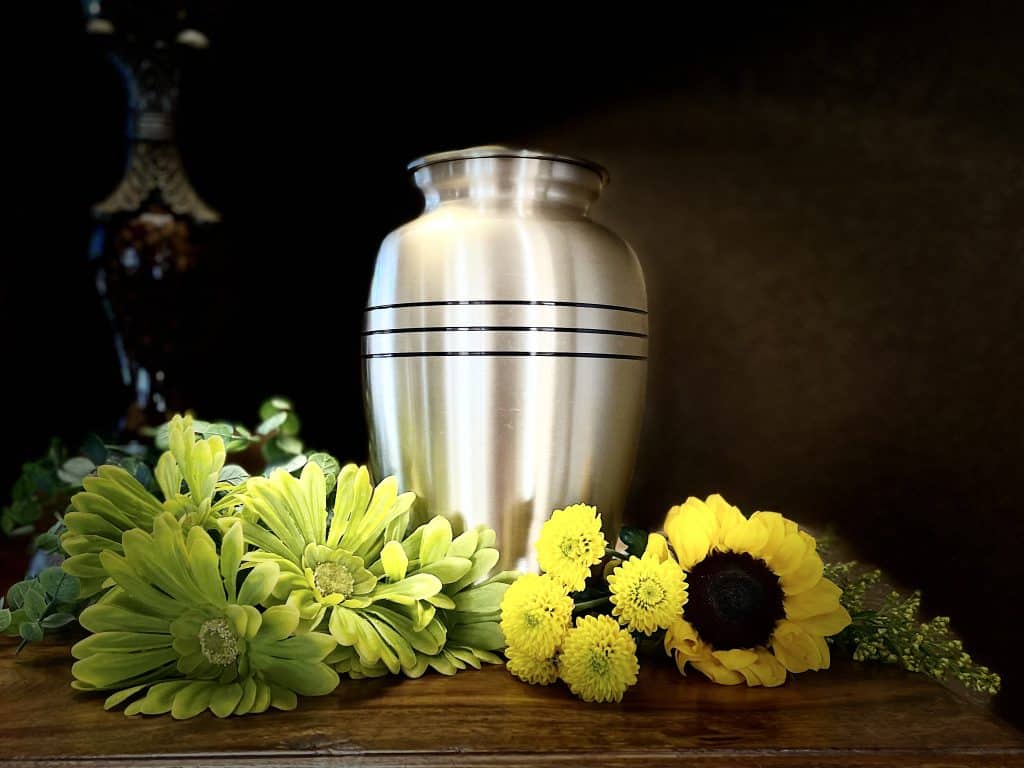
Is cremation a sin? Will it stop someone from being resurrected?
Long story short: no, it’s not a sin and won’t stop you from being resurrected.
Many Christians worry about what the Bible says about cremation, especially since traditional burials were common in biblical times.
The Bible doesn’t give a direct command on cremation, but that doesn’t mean we’re left without answers.
Let’s break down what Scripture, history, and theology actually say about it!
Key Points:
- The Bible doesn’t forbid cremation.
- 1 Samuel 31 shows cremation happening, but burial was more common.
- Some Christians worry about cremation affecting resurrection, but God is all-powerful and can restore any body.
- Cremation is not a sin, but some denominations have different views.
Does the Bible Say Anything About Cremation?
The short answer?
No, the Bible doesn’t give a direct command on cremation.
But again, that doesn’t mean we’re left without any guidance.
One of the few references to cremation in Scripture is 1 Samuel 31:11-13, where Saul and his sons were burned and their bones buried.
However, this wasn’t a normal practice for Israelites—usually, they buried their dead.
Another verse people mention is Amos 2:1, where God condemns Moab for burning the bones of the King of Edom.
But the issue wasn’t the cremation itself—it was the act of dishonoring the dead.
So, while cremation wasn’t common in biblical times, there’s nothing that outright forbids it.
Is Cremation a Sin?
Some people believe cremation dishonors the body, especially since the Bible often talks about burial.
But does that mean it’s sinful?
A few key passages shape the debate:
- Genesis 3:19 – “For dust you are and to dust you shall return.” Some take this to mean burial is the natural way, although some say that cremation is a return to dust in a different way.
- 1 Corinthians 15:42-44 – Talks about the resurrection of the body, which some say burial better symbolizes – although again, that is left up to interpretation as your spiritual body cannot be burned by cremation!
- Deuteronomy 21:23 – Commands that a body must be buried the same day to avoid defilement, although context and understanding of culture is important here.
But the Bible never states that cremation is wrong.
Many theologians agree: cremation is not a sin—it’s a personal choice.
Is It a Sin to Be Cremated? (Breaking It Down by Denomination)
Catholic Church
Historically, the Catholic Church opposed cremation.
But in 1963, the Vatican allowed it as long as the ashes are not scattered or kept at home.
Protestant Views
Most Protestant denominations see cremation as a personal decision, with no theological issue.
Eastern Orthodox
The Orthodox Church rejects cremation because of its historical association with non-Christian beliefs.
Evangelical Christians
Evangelicals typically have no strict stance—most believe it’s up to the individual.
So, if you’re wondering, is it a sin to be cremated?
In the end, from a biblical perspective, no.
I would argue that tradition should have nothing to do with it; it is between you and God.
Burial vs. Cremation in the Bible: Historical and Cultural Context
Burial was the norm in biblical times.
Abraham, Moses, and even Jesus were buried.
Jewish tradition strongly favored burial—not because cremation was sinful, but because it was their cultural practice.
Meanwhile, pagan cultures like the Greeks and Romans practiced cremation—sometimes to deny belief in bodily resurrection.
Because of this, early Christians chose burial to reflect their faith in resurrection.
But does that mean cremation today is rejecting the resurrection?
Not at all.
It’s simply a different process of returning to dust.
Does Cremation Affect the Resurrection?
Some Christians worry that cremation might prevent resurrection.
But here’s the reality:
- God is all-powerful. If He can resurrect a body that has decomposed for thousands of years, He can resurrect cremated remains.
- The method of decomposition doesn’t matter. People lost at sea, burned in accidents, or even eaten by animals will still be raised in Christ.
- 1 Corinthians 15:35-55 reminds us that our resurrection bodies are not the same as our earthly bodies.
So no, cremation does not affect resurrection.
God is bigger than that.
Should Christians Choose Cremation or Burial?
At the end of the day, this is a personal decision.
Here are a few things to consider:
- Cost – Cremation is often cheaper than burial.
- Environmental impact – Some people prefer cremation for eco-friendly reasons.
- Personal beliefs – Some families feel strongly about honoring their loved ones through burial.
If you’re struggling with the decision, pray about it and talk to your pastor.
There’s no right or wrong answer—just what’s right for you and your faith.
I would encourage you to put this between you and God and not make a decision based on the shackles of any denomination or ideas of a non-denominational church.
Conclusion: What Should Christians Believe About Cremation?
Here’s what we know:
- The Bible doesn’t forbid cremation.
- Burial was the norm in biblical times, but it was cultural, not a command.
- Resurrection is not affected by cremation—God will raise all believers.
- Cremation is a personal choice and not a sin.
So if you’re considering cremation, don’t let fear hold you back.
Pray, seek wisdom, and trust that God’s plan for resurrection isn’t dependent on what happens to your earthly body.
What are your thoughts on cremation? Let’s discuss in the comments!
FAQs
What would Jesus say about cremation?
Jesus never spoke directly about cremation, but His teachings focused on the heart, faith, and resurrection rather than burial customs. Since the Bible does not condemn cremation, it is likely that Jesus would emphasize the importance of faith in God rather than how the body is handled after death.
What does the Bible say about cremation?
The Bible does not explicitly forbid or command cremation. While burial was the norm in biblical times, cremation was practiced in certain cases, such as in 1 Samuel 31:11-13 when Saul and his sons were burned. The focus in Scripture is on honoring the dead rather than the specific method of body disposition.
Is cremation a sin?
No, cremation is not considered a sin. The Bible does not prohibit it, and Christian theology emphasizes that God is capable of resurrecting the body regardless of the method of decomposition. Some Christians prefer burial due to tradition, but cremation is a personal choice.
Can you still go to heaven if you are cremated?
Yes, cremation does not affect a person’s salvation. The Bible teaches that entrance into heaven is based on faith in Jesus Christ, not on what happens to the body after death. God’s power is not limited by cremation, and He can resurrect believers no matter what happens to their physical remains.
Does the Bible say cremated bodies cannot rise?
No, the Bible does not say that cremated bodies cannot rise. 1 Corinthians 15:42-44 speaks about resurrection bodies being different from earthly bodies. God, who created everything from nothing, is fully capable of resurrecting a person regardless of whether their body was buried, cremated, or lost in another way.
Does the Bible want us to be buried or cremated?
The Bible does not command either burial or cremation. While burial was common in biblical times, it was largely a cultural practice rather than a divine command. The focus in Scripture is on honoring the dead and having faith in God’s power to resurrect.
Why do people say cremation is a sin?
Some believe cremation is a sin because burial was the standard practice in the Bible and cremation was associated with pagan rituals. Others argue that burning the body does not align with biblical teachings on treating the body with respect. However, the Bible does not label cremation as sinful.
Does the Bible say anything about cremation?
Yes, but it does not explicitly condemn or endorse it. The Bible mentions cremation in a few places, such as 1 Samuel 31:11-13, where Saul and his sons were burned and their bones buried. There is no biblical command that forbids cremation.
Who was the first person cremated in the Bible?
The first recorded cremation in the Bible is found in 1 Samuel 31:11-13, where the bodies of King Saul and his sons were burned by the people of Jabesh-Gilead before burying their bones. This was done to prevent their desecration, rather than as a religious practice.
What happens to a person’s soul when they are cremated?
A person’s soul is not affected by cremation. The Bible teaches that the soul separates from the body at death and goes to be with God or awaits judgment. The condition of the body does not impact a person’s eternal destiny.
How soon after death do you go to heaven?
According to Luke 23:43, Jesus told the thief on the cross, “Today you will be with me in paradise.” Many Christians believe this means that believers enter God’s presence immediately after death, while others believe in an intermediate state before resurrection.
What does God say about keeping ashes?
The Bible does not specifically mention keeping ashes. Some Christians believe ashes should be buried or placed in a sacred location, while others feel it is a personal decision. There is no scriptural command against keeping ashes.
What religion is against cremation?
The Eastern Orthodox Church generally opposes cremation, as do some Jewish and Islamic traditions. Hinduism, by contrast, commonly practices cremation. Most Protestant and Catholic denominations allow cremation as long as it is done respectfully.
Can God resurrect a cremated body?
Yes, God can resurrect a cremated body. 1 Corinthians 15:35-55 explains that resurrection is not dependent on the physical state of the earthly body. Whether buried, cremated, or lost at sea, God’s power to resurrect is unlimited.